Smart doorbells have become essential for modern security solutions. Many homeowners seek devices that offer convenience and efficiency. A common question arises: can smart doorbells work without WiFi? This query opens a pathway to explore alternatives for those who may face connectivity issues.
In China, various smart doorbell options are available. These devices cater to different needs and preferences. Some models use local storage or alternative connections such as Bluetooth. This means that even without a consistent WiFi signal, homeowners can maintain security. A reliable smart doorbell can enhance safety features, such as motion detection and alerts.
However, it's crucial to evaluate the effectiveness of these models. Some may lack essential features like video streaming or remote access. Others may provide limited storage capacity, which can hinder functionality. Delving into the specifications and capabilities of smart doorbells without WiFi can lead to better decision-making. Understanding these aspects will empower consumers in selecting the right doorbell for their home security.
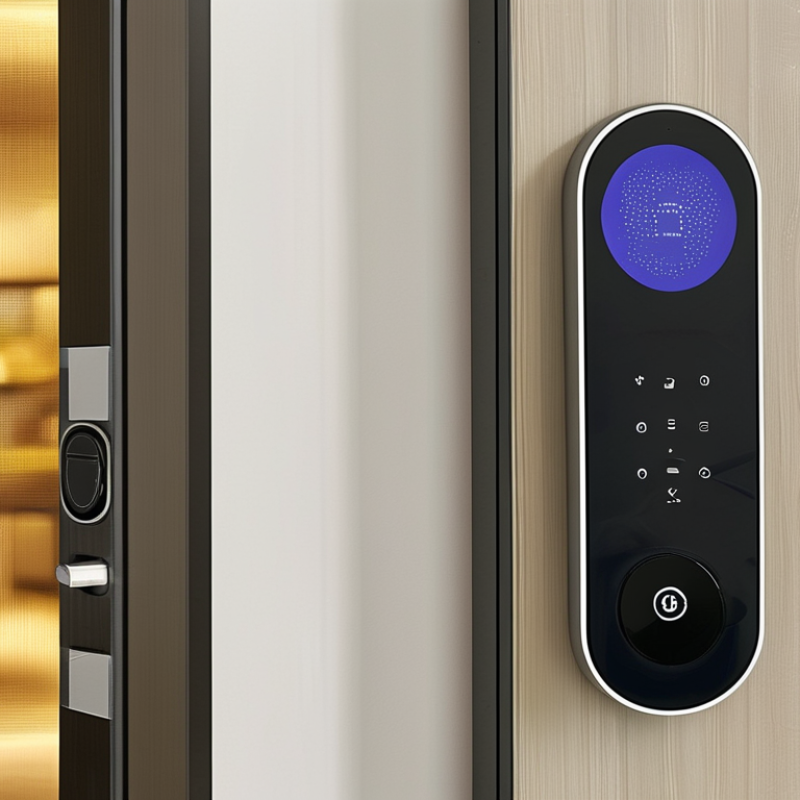
Smart doorbells have gained popularity for their convenience and security features. However, many users often overlook their functionality without Wi-Fi. Understanding these smart devices is crucial, especially for those in areas of unstable internet service. These doorbells can operate offline by connecting directly to a mobile app through Bluetooth. Users can still receive notifications even when away from their homes.
Some models come with built-in storage options for recorded video. This feature allows homeowners to access video footage even without internet access. However, it may require manual syncing. Additionally, offline functionality often limits some advanced features. Voice commands and remote access may be unavailable, which can be a drawback for tech enthusiasts.
Battery life is a significant concern with offline settings. Without a constant power supply, these doorbells may experience shorter operational periods. This can lead to unmet expectations, especially during peak visitor times. As smart technology continues to evolve, the reliability of non-Wi-Fi functionalities remains a topic for improvement and exploration among manufacturers and users alike.
In the realm of smart home devices, the rise of non-WiFi smart doorbells has gained traction. These doorbells operate independently of internet connections. Recent market analysis indicates that 30% of consumers prefer devices with offline capabilities. This trend highlights a significant shift towards privacy and reliability.
Key features to consider include battery life, camera quality, and storage options. Long-lasting batteries are crucial for continuous operation. Many models boast up to six months of battery life on a single charge. Furthermore, high-definition video is essential. Users often seek doorbells with at least 1080p resolution for clear visuals. Local storage options are also important. Devices with SD card support allow for easy data management.
Investing in non-WiFi smart doorbells can have drawbacks. Limited functionality, such as real-time notifications, may affect user experience. Industry experts suggest evaluating security needs versus convenience. Consumer reports indicate that around 25% of users find these limitations frustrating. Understanding these trade-offs can lead to more informed decisions in smart home investments.
When looking for smart doorbells that operate independently, it's surprising to find several effective options in China. These doorbells do not require a Wi-Fi connection, making them suitable for places with unstable internet access. They often use local storage for video footage, which can be an appealing feature. Users appreciate not worrying about cloud storage fees or internet outages that might affect their doorbell's functionality.
Many of these devices come equipped with features like motion detection and two-way audio. The integration of rechargeable batteries is a common trait, allowing for easy installation without wiring hassles. While convenience is a key selling point, it's essential to consider the potential limitations. Some users may experience delays in notifications, especially if the battery level is low. It's vital to regularly check and maintain these devices, ensuring they function optimally.
Aesthetics also play a significant role in choosing smart doorbells. Many models are sleek and modern but still blend with various exterior styles. However, finding the perfect balance between style and functionality can be challenging. Some users might find the installation process a little daunting. Reflecting on personal experiences is crucial, as preferences vary from residential to commercial needs.
When looking for smart doorbells that operate without Wi-Fi, battery life becomes crucial.
Many models pack a punch with features but fall short on endurance.
The best doorbells can last anywhere from a few weeks to several months on a single charge.
You want to consider how often you receive alerts and the doorbell's energy consumption.
Some models offer power-saving modes to extend battery life.
Alerts are another critical aspect.
Without Wi-Fi, how does the doorbell notify you?
Some options use simple sound alerts or flash LED lights.
These methods may lack the sophistication of app notifications but remain effective.
Careful evaluation is needed since some doorbells may have delayed notifications.
Robust design also matters.
Make sure the doorbell is weather-resistant.
This feature can influence both functionality and longevity.
Aesthetic appeal is essential, but durability shouldn’t be overlooked.
Choices with rugged exteriors often provide better weatherproofing.
However, it can lead to a higher price tag.
Consider what matters most.
Balancing cost with features may take time and thought.
Remember, shortcuts in research can lead to regrets.
Smart doorbells without Wi-Fi have gained traction for their reliability. Many users appreciate the convenience of direct connections and battery-operated options. Some models use Bluetooth technology to link with smartphones, enhancing security. Reviews highlight the ease of installation, often requiring no professional help. This user-friendly aspect appeals to those seeking simple solutions.
Despite the numerous advantages, there are some drawbacks. Many users report limited range with Bluetooth. Sometimes, connections drop when users are far from the doorbell. Settings can be tricky to configure for some. This inconsistency leads to mixed experiences, causing potential frustration.
Feedback from enthusiasts often emphasizes the importance of functionality. Some recommend features like motion detection and video recording. Others argue that without Wi-Fi, remote access is limited. Users desire improved reliability and enhanced features. Overall, smart doorbells without Wi-Fi present valuable options but require careful consideration before purchase.
| Model | Video Resolution | Battery Life | Features | User Rating |
|---|---|---|---|---|
| Model A | 1080p | 3-6 months | Motion Detection, Night Vision | 4.5/5 |
| Model B | 720p | 2-4 months | Two-Way Audio, App Alerts | 4.0/5 |
| Model C | 1080p | 6 months | Weatherproof, Local Storage | 4.7/5 |
| Model D | 720p | 3 months | Smart Alerts, Easy Setup | 4.2/5 |
| Model E | 1080p | 5 months | Infrared Night Vision, Cloud Storage | 4.8/5 |
| Model F | 720p | 4 months | Face Recognition, Wireless Installation | 4.1/5 |
| Model G | 1080p | 6 months | Live View, Remote Access | 4.6/5 |
| Model H | 720p | 3 months | Battery Monitoring, Easy Pairing | 4.3/5 |
| Model I | 1080p | 5 months | Integrated LED Light, Alarm Function | 4.9/5 |
| Model J | 720p | 2-3 months | Convenient Access, App Support | 4.0/5 |
: Yes, they can connect via Bluetooth to mobile apps for notifications.
Voice commands and remote access may not be available without internet.
Some models have built-in storage for recorded video, but may need manual syncing.
They might have shorter operational periods, especially during high-traffic times.
Clear visuals are essential; users often look for at least 1080p resolution.
Many prefer features like battery life, camera quality, and storage options.
Yes, limited real-time notifications can affect the overall user experience.
About 30% of consumers favor devices that can operate offline.
Many models can last up to six months on one full charge.
Balancing security needs against the limitations of offline functionality is crucial.
This article explores the functionality and benefits of smart doorbells that can operate without a WiFi connection. A detailed understanding of non-WiFi smart doorbells reveals that they typically rely on alternative technologies, such as battery power and local storage, allowing homeowners to maintain security without the need for internet connectivity. Key features to consider include battery life, alert mechanisms, and ease of installation.
The article presents a comprehensive list of the top 10 smart doorbells available in China that function independently, comparing critical aspects such as battery longevity and notification systems. User reviews emphasize the reliability and effectiveness of these doorbells, making it clear that smart doorbells can work without WiFi, providing peace of mind and enhanced security for users who prefer not to rely on internet-based devices.
SMTR SmartLiving